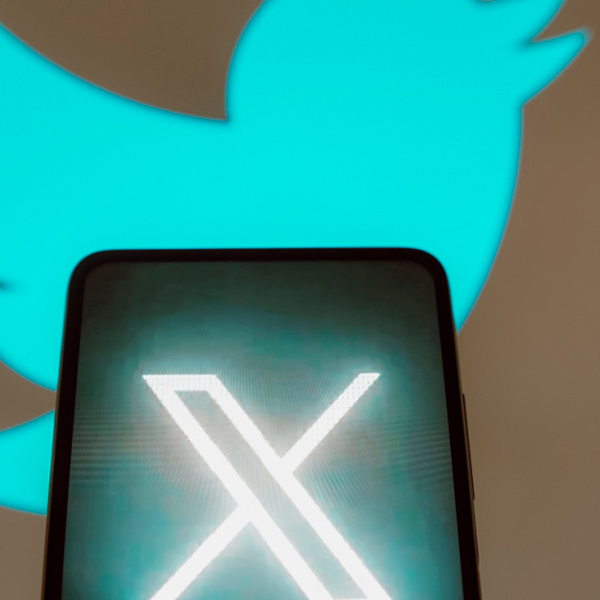
Misinformation surged following Iran’s drone and missile attack on Israel on Saturday — a response to an unclaimed Israeli strike on an Iranian diplomatic mission in Syria on 1 April. X (formerly known as Twitter) in particular was awash with unverified and falsified images. This content, shared by ‘checkmark’ paid premium subscribers, self-proclaimed ‘OSINT’ (open-source intelligence) accounts, citizen journalists and even the Iranian government, received millions of views.
ISD’s rapid response analysis, led by our Executive Director for Asia, the Middle East and Africa, Moustafa Ayad, and Director of Technology and Society, Isabelle Frances-Wright, was covered in WIRED, Sky News, NPR and AFP. They found that within just seven hours of drones being launched, 34 images and videos claiming to show the ongoing conflict but which were false, misleading or generated using artificial intelligence (AI) had received over 37 million views on X.
Read more about it here.
Also in this newsletter:
- Pro-CCP Spamouflage campaign experiments with new tactics targeting the US
- Shared Endeavour Fund projects engage over 31,000 Londoners, particularly young people, in activities designed to address intolerance, hate and extremism
- Explainer on US ‘Antifa’ groups
- Event: Jiore Craig on disinformation & AI: Takeaways from Taiwan’s elections and moving forward in 2024
- Event: Stockholm Series: Jennie King on the fight for information integrity, climate action & democracy
- Our staff featured in the Hill, AFP, iNews, Tagesschau Faktenfinder, and more.