Media Mentions
July 31, 2025

Evolving domestic terrorism threats challenge traditional classifications
For the past five years, authorities have identified violent white supremacists as the most lethal domestic terrorism threat. But in a recent NPR article, ISD’s Katherine Keneally highlights a shift, as recent acts of violence increasingly lack a clear ideological motivation.
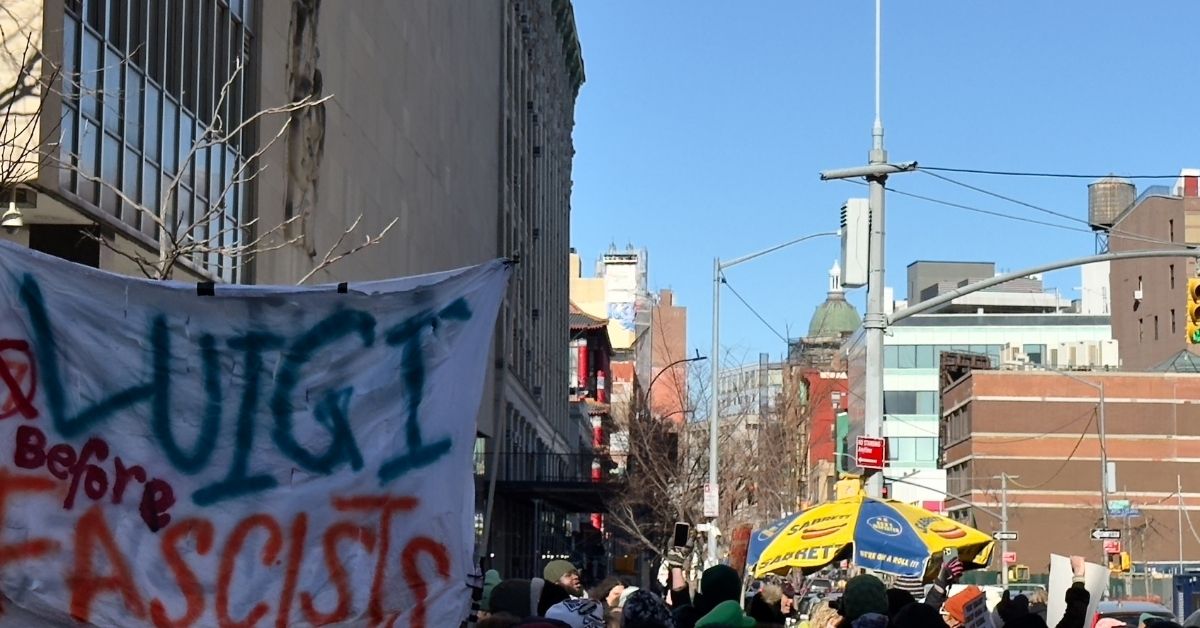
Katherine cites Luigi Mangione as an example of this growing phenomenon. Despite his embrace by the far left, Mangione lacked a clear-cut ideology, yet employed violent methods usually associated with someone closely aligned with the far right.
“What he was particularly motivated by was anger at the U.S. health care system more broadly,” Katherine said. “When you look at the materials that he posted online and his motivation, it was very much motivated by this single issue, more so than anything else.”
The full article is available on NPR.
Featured publication
ISD Contributors