Digital Dispatches
May 21, 2026

ISD UK
Tech Accountability and Safety, Tech Legislation and Regulation
High risk, small platforms: Understanding synthetic non-consensual intimate imagery and community norms on 4chan
Content warning: discussion of gendered slurs, misogynistic online communities and sexual violence through synthetic non-consensual intimate imagery. This content may be distressing to some readers. To minimize potential harm, some quotations have been shortened or modified while maintaining the integrity of the examples.
Executive summary
This Dispatch examines how discussions surrounding the creation of synthetic non-consensual intimate imagery (synthetic NCII) are structured on 4chan, drawing on qualitative content analysis supported by keyword-based quantification of 7,616 posts. The analysis finds that requests for abusive imagery follow recognisable discursive patterns, with targets routinely reduced to objects of manipulation and degradation, while those who produce such content are actively celebrated within the community. These dynamics suggest that the production of synthetic NCII is socially embedded and reinforced by community norms and misogynistic beliefs. The platform 4chan further functions as an origin point within a broader ecosystem, with content migrating to more private platforms. Within the EU context, concrete regulatory accountability gaps remain unaddressed, including the apparent absence of an EU legal representative for 4chan and the resulting lack of clarity regarding which Digital Services Coordinator (DSC) holds jurisdiction.
Key findings
- Requests for synthetic NCII frequently employ command-based language. Within the dataset, 2,927 posts contain at least one solicitation keyword. This indicates that approximately 38 percent of the dataset contained language associated with direct requests for ‘nudification’ or for other forms of direct reference to image manipulation, reflecting a standardised and routinised mode of interaction that facilitates coordinated production of synthetic NCII.
- The production of synthetic NCII is reinforced through explicit social hierarchies. The dataset contains a significant number of glorifying terms directed at creators. For example, the term “wiz” (wizard) was mentioned 777 times within the dataset. This occurred alongside a notable presence of gendered slurs referring to targets, illustrating the dehumanising dynamic at the core of these communities.
- A subset of posts explicitly articulates justifications for synthetic NCII, most commonly framing women’s online self-presentation as implicit consent or portraying abuse as deserved. These narratives reproduce long-standing patterns of justification associated with gender-based harms, in which responsibility is shifted onto victim-survivors and abuse is framed as legitimate or warranted.
- Conversations originating on 4chan frequently move to more private platforms such as Kik, Telegram, Discord and Teleguard, where content can be circulated with reduced visibility. Within the dataset, 318 posts referenced Kik, 114 Teleguard, 271 Discord and 32 Telegram.
- Despite existing regulatory frameworks, enforcement actions targeting 4chan remain limited to certain jurisdictions. This highlights the need for a more proactive approach to regulating smaller but high-risk platforms, including ensuring the presence of an EU legal representative, assessing compliance with notice-and-action requirements and strengthening coordination of enforcement actions where platforms fail to meet their obligations.
Introduction
Recent policy discussions within the European Union have increasingly addressed synthetic NCII, with growing attention to both its dissemination and, more recently, its creation. For example, Germany’s draft law on digital violence, presented in April 2026, explicitly aims to close gaps in criminal law around the production of abusive imagery. These developments are not limited to Germany. The UK Government has criminalised the creation of sexually explicit synthetic images, extending existing provisions under the Online Safety Act (OSA) that already prohibit the sharing of synthetic intimate images without consent. This reflects a broader recognition that existing frameworks have struggled to keep pace with the rapid proliferation of tools enabling synthetic NCII production. However, these approaches remain largely centred on the act of creation itself, with comparatively limited consideration of the environments and community dynamics in which such content is discussed, organised and normalised.
The production of synthetic NCII is facilitated by two intersecting developments. A growing number of tools enable users to generate such content within minutes, often requiring minimal technical expertise or financial resources. Alongside this, online forums provide spaces in which the creation of this material is discussed and organised. Among these, 4chan represents a particularly significant case: as one of the largest anonymous imageboards globally, the platform attracts substantial traffic with around 37 million monthly visits (data from analysis tool SimilarWeb 2026), and up to 550,000 daily posts shared (2025). The platform has become widely associated with toxic online subcultures, including misogynistic discourse, harassment, hate speech, and the circulation of extremist and terrorist material. Unlike many mainstream platforms, 4chan allows users to post and view content without registration, enabling a high degree of anonymity and low barriers to participation. At the same time, 4chan highlights significant enforcement gaps in how EU regulators apply existing regulatory frameworks like the Digital Services Act (DSA) to platforms of this size.
Drawing on qualitative analysis, this Dispatch examines how discussions around the creation of synthetic NCII are structured on 4chan. It explores the ways in which these discussions reproduce and reinforce misogynistic power dynamics and considers the implications for policy responses.
Methodology
This Dispatch draws on qualitative content analysis of posts, supported by keyword-based quantification of posts, collected from 4chan over a three-month period (1 December 2025 to 4 March 2026). In total, 7,616 English-language posts were gathered via the social media analysis tool OpenMeasures for analysis. The data was retrieved using a keyword list developed iteratively, incorporating generic terms such as “nudify”, “deepfake” or “undress AI”.
Given the focus on discussions surrounding the creation of synthetic NCII, a keyword-based approach was used to identify relevant content within the dataset. Keywords were assigned to thematic categories based on iterative close reading of posts during the data collection period to capture different dimensions of engagement. The qualitative content analysis focused on identifying recurring language patterns and discursive strategies of posts within the dataset. While categories frequently overlap in practice, three analytical patterns were identified and iteratively refined during data analysis: (1) normalisation of degrading requests, (2) glorification of creators, and (3) justification narratives. To assess the prevalence of these patterns, keyword frequency counts were applied across the dataset using Python-based text analysis.
As with any keyword-based approach, false positives cannot be fully excluded. While a portion of the dataset was manually reviewed, exhaustive verification was not feasible. Given that the analysis is grounded in actual posts rather than keyword counts alone, individual false positives have a limited impact on the overall findings. As the analysis is text-based and does not include imagery, it is not always possible to determine whether the content depicts real individuals or fictional characters, such as female anime characters. However, this distinction is not central to the analysis as the focus is on the discourse and community norms surrounding the production of synthetic NCII, rather than the imagery itself.
These limitations apply primarily to the quantitative prevalence claim. Therefore, the findings about how abuse is requested, normalised, and justified remain valid within these analytical constraints, as they are grounded in actual posts and the qualitative analysis of recurring language patterns and community norms. Additionally, as discussions predominantly used binary gendered language, non-binary and gender-diverse individuals could not be adequately accounted for, limiting further intersectional differentiation. A keyword search for slurs and words targeting gender-diverse or non-binary individuals yielded only 29 posts. In none of these cases were the terms used in the context examined in this analysis. This represents a limitation of this Dispatch, which future research could address through more targeted data collection and expanded approaches designed to capture a wider range of gender identities.
Solicitation patterns: The language of abusive requests
A significant proportion of the posts analysed consists of user requests for the creation of synthetic NCII, which take multiple forms. Users either directly solicit others to “nudify” specific individuals, including acquaintances, family members and public figures[1], or position themselves as creators, inviting others to submit images which they then offer to manipulate.
A recurring pattern is the use of direct commands such as “give her”, “make her”, “take her”, “clothes off” or “nudify”, typically followed by explicit sexual or degrading instructions, often accompanied with an uploaded picture of the targeted individual. These commands are used both by those requesting material from others and by those producing it. Of the posts analysed, 2,927 (38.43 percent) contained at least one of the keywords associated with direct solicitation of abusive content. Many posts also requested that subjects be depicted in explicitly humiliating scenarios, incorporating elements such as spit or smeared make-up, or placing targets in degrading and symbolic contexts such as being crucified or displayed in a circus.
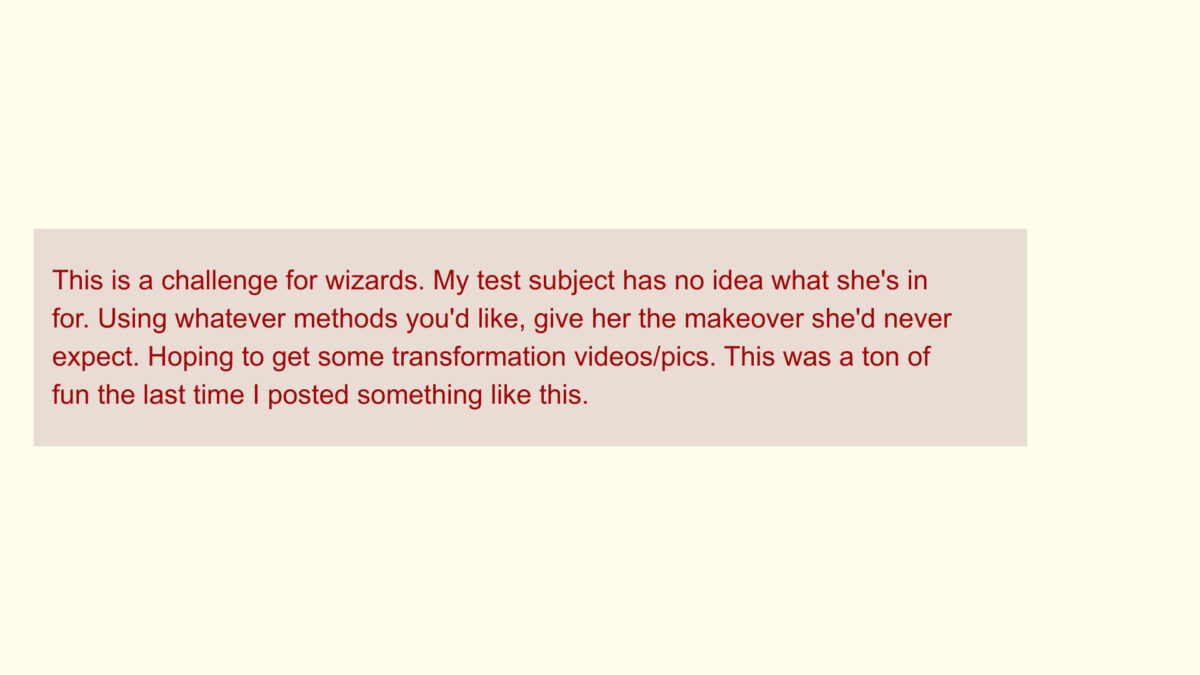
The act of requesting ‘nudification’ is deeply dehumanising, treating individuals as objects that can be manipulated and altered without consent.[2] This language reflects the misogynistic structures that are inherent to requests within these spaces. Gendered slurs referring to women are widespread across these threads, functioning as a normalised part of the vocabulary used to discuss and request abusive content. The reduction of women to objects of manipulation and humiliation draws on long-standing patriarchal logics that position female bodies as available for male consumption and control. In some posts, this humiliation is explicitly intersectional, incorporating degrading and racialised demands that compound gendered abuse with racist tropes. This includes requests that invoke racist stereotypes, sexual fetishisation and colonial imagery. While the prevalence of such explicitly racialised content could not be quantified reliably due to methodological limitations (see previous section), qualitative observations indicate that these dynamics form a recurring pattern within parts of the dataset. This shows how synthetic NCII is a technological extension of existing power relations as it lowers the barrier to producing abusive material while amplifying its reach and normalising its circulation within the broader online ecosystem.
Community culture and glorification: Normalising the production of synthetic NCII
A defining feature of the dataset is the extent to which individuals who generate NCII are not only accepted but actively celebrated within these communities. Creators are frequently referred to as “wizards” or “wiz” (777 mentions). This framing elevates them to a position of admiration, constructing the production of abusive imagery as a form of expertise worthy of recognition and reward. Users address creators with titles such as “Boss” or “Master” and invoke their supposed technical expertise through phrases like “do your magic”, while attributes such as “kind”, “great”, “noble” or “powerful” and “gorgeous” function as social rewards. Such vocabulary constructs a social hierarchy in which perpetrators are positioned as skilled authorities.

This dynamic becomes especially clear in and is further reinforced by the explicitly transactional nature of many interactions. Users openly offer “praise and adoration” in exchange for the creation of abusive material, making visible the social reward structure.
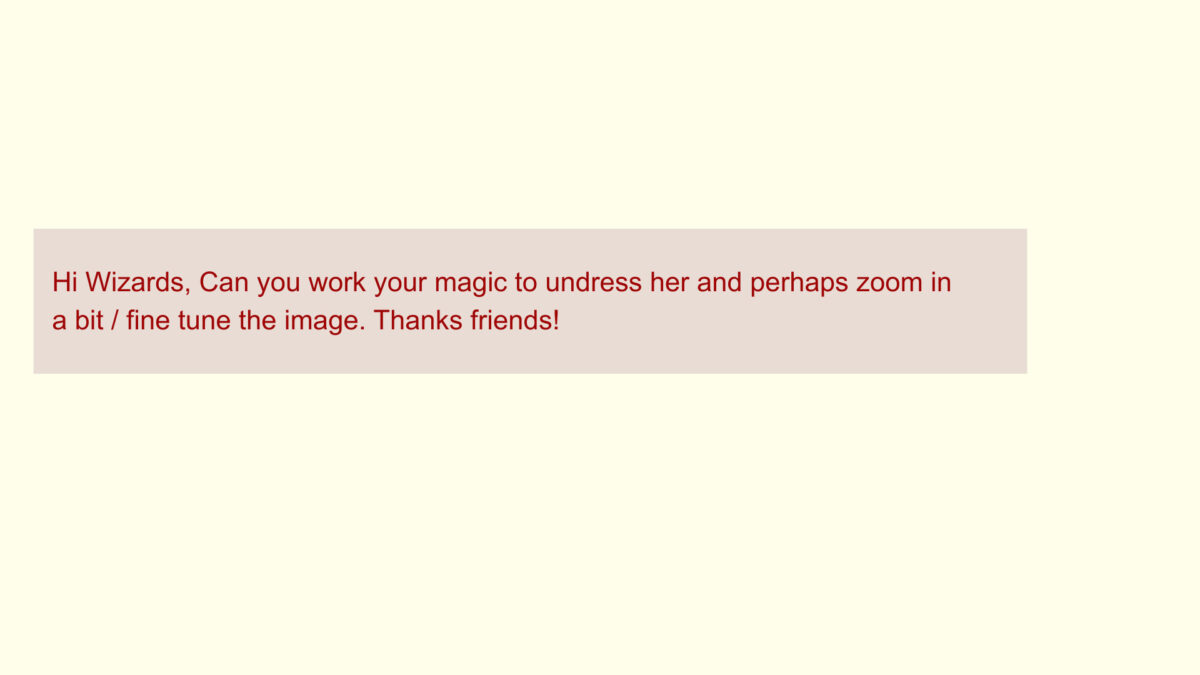
Affective language is a consistent feature within these spaces, with users addressing one another as brothers or friends, creating a sense of community and belonging that is built around and reinforced through abusive behaviour. This points to a community culture in which the production of synthetic NCII is not merely tolerated but actively incentivised through social reward.
Justification narratives: Insights into perpetrator thinking
Over the course of this research, ISD identified a set of recurring justification narratives openly articulated on 4chan. These statements underscore the underlying belief systems of those who produce and request such material, revealing a deeply misogynistic ideological framework.
One of the recurring justification narratives is ‘victim-blaming’, rooted in the idea that those who share images of themselves online have implicitly consented to their use and manipulation. This framing shifts responsibility away from perpetrators and reframes them as passive actors rather than active agents of abuse. A few posts in the dataset specifically celebrate the technology for taking away women’s control over their own image, framing it as a tool that removes their agency. In some instances, the distress caused to victim-survivors is openly presented as intention.
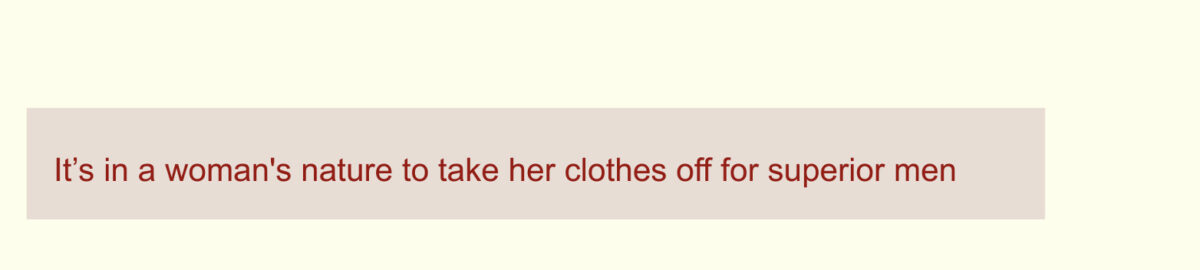
A closely related narrative found in the data frames synthetic NCII not as a violation but as an expression of the natural order, one in which women’s bodies are understood to be at men’s disposal. This harmful thinking extends to explicit statements that targets deserve what is done to them, with the production of synthetic NCII presented as an appropriate consequence of women’s perceived ‘attention-seeking’ behaviour. A related tactic involves framing ‘nudification’ as consensual or even wanted, invoking the target’s appearance or conduct as implicit permission. This framing reproduces a logic in which consent is defined by perpetrators rather than the person targeted.
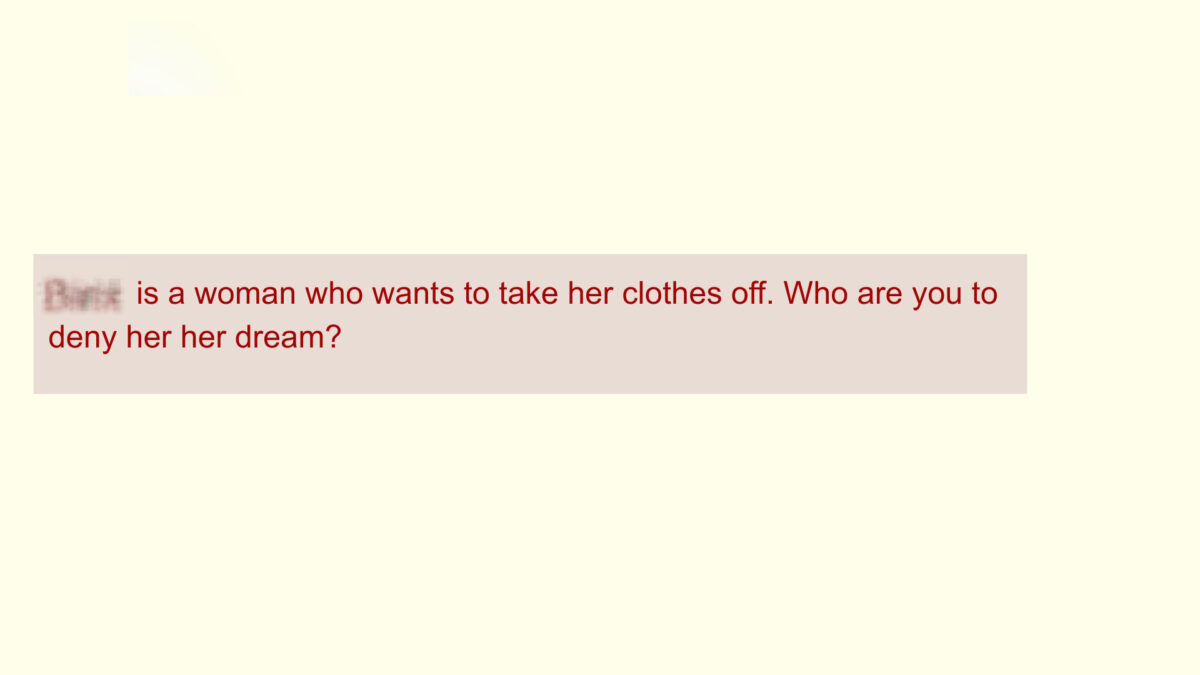
A further justification pattern involves the instrumental use of synthetic NCII as personal retaliation, directed either at the targets themselves or at third parties through their proximity to them. In such cases, women are treated as collateral, underscoring how thoroughly the humanity of targets is erased within these spaces.
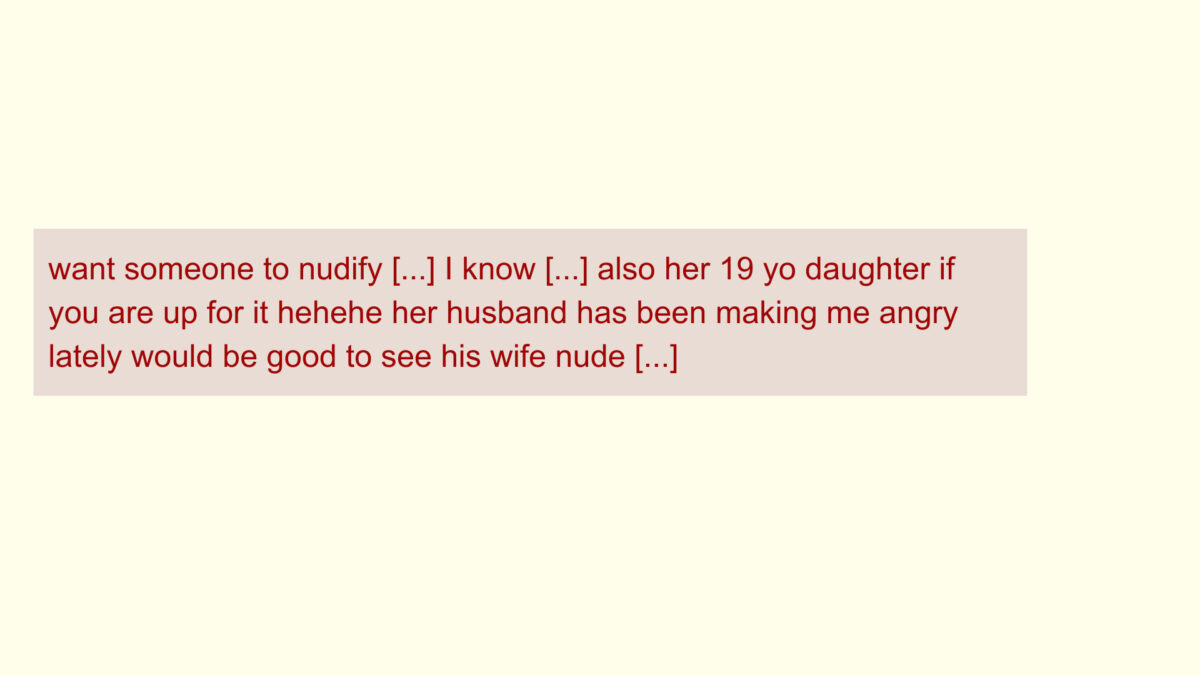
There are also indications that ‘revenge’ is being used as a justification narrative for violence. The term ‘revenge’, although widely used in public discourse and even legal language such as ’revenge porn’, is fundamentally misleading: it suggests that the targeted person has done something to warrant the abuse, even though nothing justifies the creation or distribution of synthetic NCII.
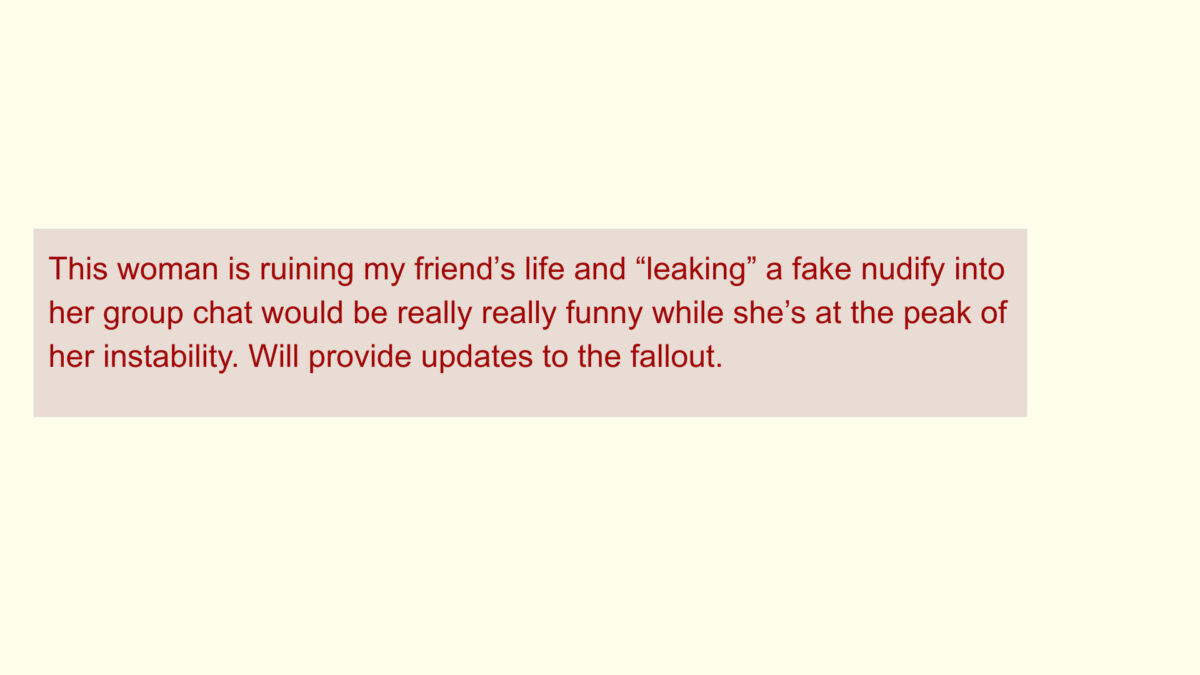
These findings point to the central role 4chan plays within the broader ecosystem of synthetic NCII production and circulation.
4chan as an enabling environment: Platform dynamics and accountability gaps
This role cannot be understood in isolation from the platform conditions that make it possible. Limited moderation capacity and intent on 4chan means that abusive content faces little risk of removal. This positions 4chan as a permissive site of coordination and production for synthetic NCII.
These platform conditions are further complicated by uneven regulatory enforcement across jurisdictions around the world. Under the EU’s DSA, platforms like 4chan fall below the threshold for designation as a Very Large Online Platform (VLOP). As a result, they are subject to more limited obligations, primarily to act on notices regarding illegal content, rather than the proactive risk assessment and mitigation requirements imposed on larger platforms. While this study did not assess the legality of individual pieces of content, the context makes clear that some of the images circulated in these spaces are inherently non-consensual and therefore illegal under EU law. This provides a concrete basis on which the DSA’s notice-and-action mechanism (Art. 16) should be applied, although it remains unclear whether 4chan’s current reporting and moderation approach fully complies with these obligations.
The case of 4chan shows that one limitation of the DSA is that its regulatory framework is determined primarily by platform size rather than a combined assessment of size and risk. As a result, smaller but high-risk platforms, such as 4chan, are not subject to the enhanced obligations applied to larger services. In practice, this means their responsibilities are often limited to reacting to user reports. However, on anonymous and lightly moderated platforms such as 4chan, reliance on user flagging alone is unlikely to effectively surface or address harmful or illegal content at scale.
A particularly significant gap concerns 4chan’s apparent failure to appoint a legal representative within the EU, as required under Article 13 of the DSA for providers of intermediary services that are not established in the Union but offer services within it.
While any DSC within the EU has the authority to pursue enforcement in principle in such a case, in practice it remains unclear which regulator should take the lead, pointing to an accountability gap that has so far gone unaddressed.
This challenge is not limited to the EU context. In the UK, regulatory scrutiny of 4chan is already underway. Ofcom, as the UK’s designated online safety regulator under the OSA, has taken enforcement action regarding 4chan’s failure to comply with its regulatory obligations. Specifically, the investigation concerns 4chan’s failure to respond to a statutory information request, failure to prevent children from encountering pornographic content due to the lack of age assurance measures, failure to complete and maintain a suitable and sufficient illegal content risk assessment and broader non-compliance with safety duties relating to illegal content. At the time of writing, the full outcome of the enforcement case is still pending. This investigation may offer important lessons for how smaller online platforms can be held accountable and could serve as a reference point for future regulatory action.
Across the dataset, 318 posts referenced Kik, 114 Teleguard, 271 Discord and 32 Telegram, indicating that 4chan acts as a starting point, where users are pointed towards more private, closed-off spaces. This count includes only explicit mentions of platform names. In some cases, users shared direct links without naming the platform itself, suggesting that the true number of references to external platforms is likely higher. While these numbers cannot distinguish between unique users or posts, they nonetheless illustrate how users move between platforms and how easily harm can migrate across the ecosystem. This underlines the need for secondary distribution platforms to be subject to consistent and proactive enforcement of regulatory and content moderation obligations under online safety frameworks such as the DSA and the OSA. More broadly, it underscores the importance of recognising cross-platform migration of harm as a systemic risk that requires coordinated regulatory and enforcement approaches.
Conclusion
This Dispatch has examined how discussions around synthetic NCII are structured on 4chan. The data reveals that the creation of synthetic NCII is far from a fringe activity carried out by isolated individuals. Rather, it is a socially organised practice, shaped by community norms, shared language, and belief systems that are deeply misogynistic. This is reflected in the active celebration of creators, the systematic degradation of those targeted and justification narratives that reproduce gendered hierarchies.
Understanding these dynamics is essential for addressing the social infrastructure that sustains and normalises this form of abuse and for informing more effective approaches to platform governance and regulatory interventions.
Existing regulatory frameworks provide a basis for stronger enforcement. However, this has not been the case for 4chan within the EU. This points to the continued relevance of accountability gaps and the need for greater regulatory coordination and attention to smaller platforms that may have limited reach but can nevertheless pose a high risk of harm, particularly when operating as part of a wider cross-platform environment.
End notes
[1] Prior research indicates that heightened public attention to prominent figures correlates with a surge in requests for synthetic NCII targeting those individuals on platforms such as 4chan.
[2] It should further be noted that the training data underlying many generative AI models can be assumed to contain non-consensual material.
In the media
ISD Contributors