Digital Dispatches
November 19, 2026
Targeted Threats, Hate and Abuse, Tech Accountability and Safety
Project Catalyst: Addressing the Intersection of Misogyny, Targeted Hate and Violent Extremism
About Project Catalyst
Project Catalyst is an international, multi-stakeholder initiative led by the Christchurch Call Foundation, bringing together researchers, civil society organisations, technology experts and practitioners to better understand and address the intersection of misogyny, targeted hate and violent extremism online.
Over the past 18 months, the project has brought together an international consortium including the Institute for Strategic Dialogue (ISD), the Polarization and Extremism Research and Innovation Lab (PERIL), Meedan, Search for Common Ground and the Blavatnik School of Government.
Working across Canada, Jordan and Kenya, and with a particular focus on gaming environments, Catalyst combines cutting-edge research, policy framework development, and practical tools for prevention, strengthening collective responses to interconnected online harms.
Learn more about Project Catalyst at the Christchurch Call Foundation’s website here.
ISD’s contribution to Project Catalyst
As a core consortium partner, ISD has drawn on its expertise in online extremism, technology-facilitated gender-based violence (TFGBV), platform governance and violence prevention to advance four interconnected areas of work.
Together, these activities have sought to build a stronger understanding of the intersection between misogyny, targeted hate and violent extremism, translate research into practical interventions and equip stakeholders with the tools and knowledge to respond.
3,000
Police officers in Kenya supported through training.
12
Platform policies assessed.
5
Countries reached through practitioner training.
Explore ISD’s Work
- Defining the problem: A toolkit for addressing interconnected harms
- Mapping the networks: Researching online ecosystems in Canada and Jordan
- Pioneering positive interventions
- Translating research into practice: Law enforcement and practitioner training
Also: The Christchurch Call Action Forum · The Detect working group · Continuing the conversation
1. Defining the problem: A toolkit for addressing interconnected harms
A central challenge in addressing misogyny, targeted hate and violent extremism is that these harms are frequently understood, researched and regulated in isolation, despite their overlapping manifestations in online environments.
To help address this gap, ISD developed Addressing the Intersection of Misogyny, Targeted Hate and Violent Extremism, a practical toolkit providing a framework for understanding and responding to these interconnected harms.
The toolkit introduces a harms taxonomy to support the identification and classification of overlapping forms of harmful online behaviour. It also explores relevant legal and policy frameworks, including approaches in Canada, Jordan and Kenya, to identify opportunities for more coherent and effective responses.
Grounded in a public health approach to violence prevention, the toolkit supports policymakers, regulators, tech companies, researchers, civil society organisations and frontline practitioners in moving beyond siloed approaches towards more integrated, gender-responsive and preventative strategies.
The toolkit has been adopted by regulators, civil society organisations, and policymakers, to help assess and respond to the intersection of misogyny, targeted hate, and violent extremism. For example, ISD’s harms taxonomy and toolkit have also been considered in the United Nations Office of Counter-Terrorism’s Practice Guide on Artificial Intelligence and Preventing and Countering Violent Extremism, specifically its addendum, A Gender-Responsive Approach for AI-Enabled PCVE Programming, to support readers in assessing whether online content and behaviours constitute technology-facilitated gender-based violence (TFGBV), targeted hate and/or violent extremism.
Read: The toolkit and methodological annex →
2. Mapping the networks: Researching online ecosystems in Canada and Jordan
Building on the need for a more integrated understanding of how misogyny, targeted hate and violent extremism intersect across different online environments, ISD produced pioneering digital analysis focused on Canada and Jordan.
The research examines the actors, narratives, tactics and online spaces associated with these harms, exploring how misogyny, targeted hate, and violent extremism interact within their respective national contexts.
In Canada, ISD’s research found that misogyny cuts across otherwise ideologically distinct online communities, and often overlaps with hateful and extremist narratives. In addition, we found that online actors linked to TFGBV, without a nexus to targeted hate or violent extremism drive disproportionate levels of engagement, contributing to the normalisation of misogyny among larger audiences.
In Jordan, the research identified overlaps between misogynistic narratives and certain forms of conservative religious rhetoric, demonstrating how misogyny can be embedded within wider ideological and cultural contexts.
Together, the reports contribute to a more nuanced understanding of the ways in which misogyny intersects with wider online ecosystems and highlight the importance of context-sensitive approaches to research, prevention and policy.
Read: Between Religion and the Red Pill →Read in Arabic →
Platform policy analysis
Building on its research into online harms, ISD also conducted a comparative assessment of the policies of 12 platforms identified as relevant to the ecosystems examined through Project Catalyst.
The assessment explored how platforms define and regulate misogynistic abuse, targeted hate and violent extremist content, with particular attention to whether their policies adequately recognise overlapping and gendered dimensions of these harms.
The resulting report identifies policy gaps and opportunities for improvement, offering concrete recommendations to strengthen platform governance and support more consistent, gender-responsive approaches to online safety.
The analysis seeks to encourage tech companies to move beyond siloed policy responses towards a more integrated understanding of how different forms of online harm can interact.
3. Pioneering positive interventions
At the core of Project Catalyst has been exploring how – alongside harmful activity – online environments can serve as powerful spaces for positive engagement and prevention.
As part of this work, ISD designed and piloted positive interventions engaging online streamers, with a particular focus on testing models for building resilience against misogyny in gaming and streaming communities.
The intervention explored opportunities for engaging audiences through trusted online voices and the potential for streamers to challenge harmful attitudes, encourage constructive engagement and promote healthier norms within their communities.
A central lesson from the pilot was the importance of involving streamers directly in the design of interventions, rather than relying on prescribed messages or scripts. Rooted in insights from focus groups with gamers, we worked collaboratively with content creators to help ensure interventions were authentic, appropriate for their audiences and suited to the environments in which they operate.
Drawing on these experiences, ISD developed a practical playbook that translates the lessons from the pilot into recommendations for practitioners seeking to design and deliver positive interventions in gaming and streaming environments.
4. Translating research into practice: Law enforcement and practitioner training
A key component of Project Catalyst has been translating research findings into practical knowledge and skills for those working to identify, prevent and respond to interconnected online harms.
ISD developed and delivered a series of capacity-building modules for law enforcement agencies and frontline practitioners. Training equipped participants with the knowledge and tools to recognise the intersection of misogyny, targeted hate and violent extremism, identify relevant online actors, narratives and behaviours, and understand the legal and policy frameworks available to support appropriate responses.
These activities were delivered across several national contexts, with training tailored to the needs of different professional audiences.
Canada
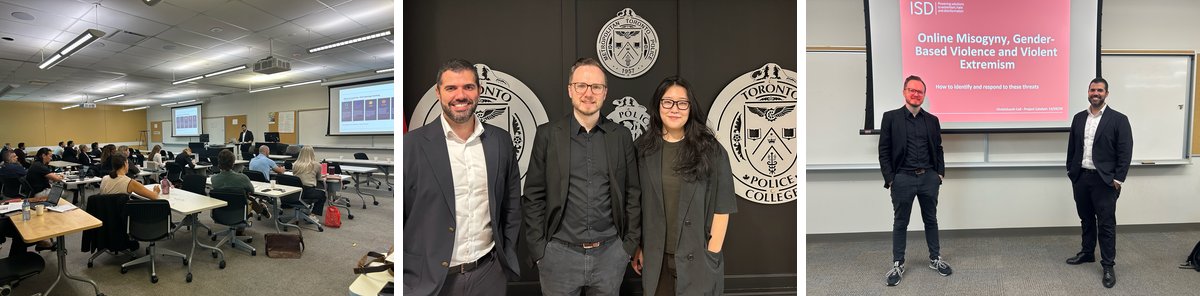
ISD delivered in-person training sessions for law enforcement professionals in Vancouver, Victoria and Toronto, equipping them with an understanding of the online threat landscape and practical approaches to identifying and addressing interconnected harms.
These activities were complemented by two online training sessions for Canadian practitioners, extending the reach of the programme and providing further opportunities for engagement with the research findings and their operational implications.
Jordan
In Amman, ISD delivered two dedicated training sessions, one for law enforcement personnel and one for frontline practitioners.
The sessions explored the manifestation of misogyny, targeted hate and violent extremism in the Jordanian context, with particular attention to recognising relevant online activity, understanding the relationships between these harms and navigating applicable legal and policy frameworks.
Kenya
In partnership with Search for Common Ground, ISD supported the training of approximately 3,000 police officers in Kenya, strengthening their understanding of the intersection between misogyny, targeted hate and violent extremism and building capacity to recognise and respond to these interconnected harms.
Belgium and Slovakia
ISD also extended its capacity-building activities beyond the project’s initial geographical focus, delivering additional training for frontline practitioners in Belgium and Slovakia.
These sessions engaged professionals working directly with individuals and communities, including teachers and therapists, to strengthen their ability to recognise concerning online narratives and behaviours and understand the wider implications of interconnected harms for prevention and safeguarding.
Across these activities, ISD sought to bridge the gap between research, policy and operational practice, strengthening the capacity of professionals working across different sectors to identify emerging threats and develop more informed, coordinated and context-sensitive responses.
If you are interested in partnering around a practitioner capacity building session on the intersection of misogyny and extremism, please be in touch with the team at [email protected].
From research to collective action: The Christchurch Call Action Forum
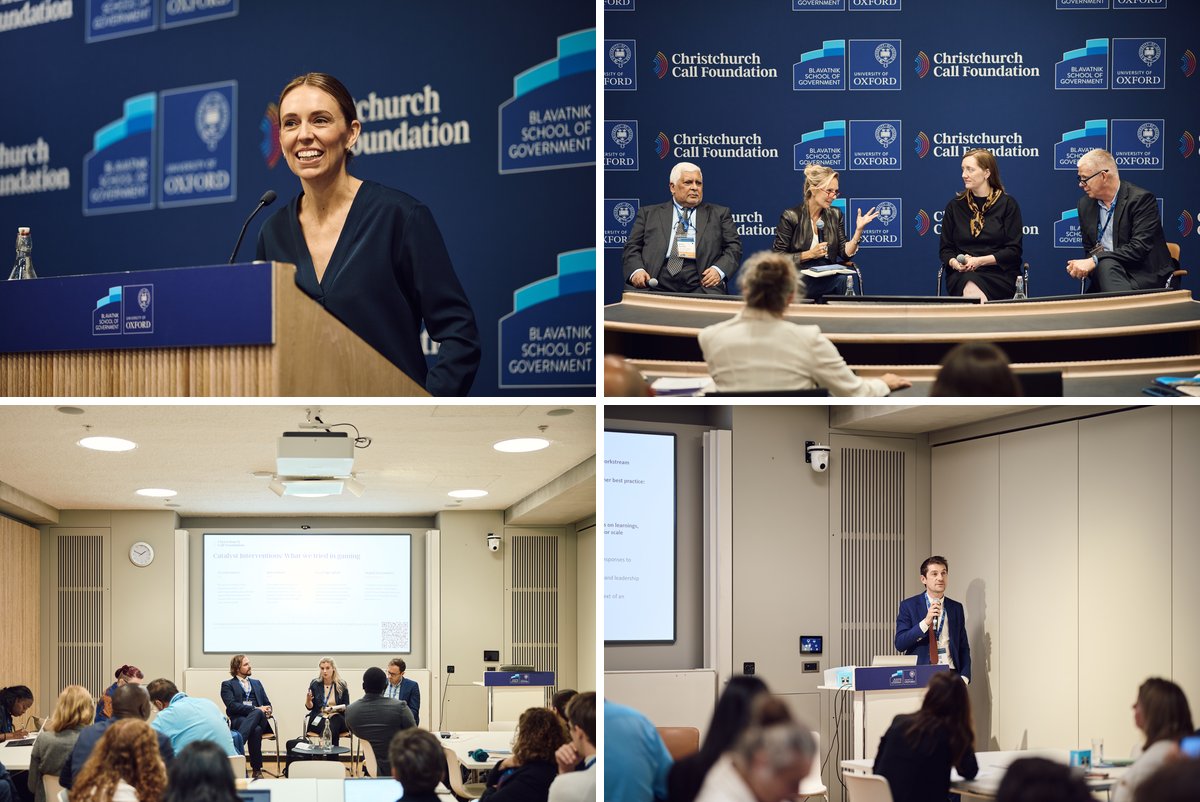
In September 2026, ISD’s work through Project Catalyst was featured throughout the first Christchurch Call Action Forum, a high-level international policy convening hosted by the University of Oxford’s Blavatnik School of Government and the Christchurch Call Foundation.
Chaired by the Rt Hon Dame Jacinda Ardern, former Prime Minister of New Zealand, the Action Forum brought together representatives from governments, research institutions, civil society and the wider Christchurch Call community. Discussion focused on the role of misogyny in pathways towards violent extremism and the opportunities for coordinated action, including sharing research findings, discussing practical interventions and identifying priorities for strengthening collective responses.
ISD’s President and CEO, Sasha Havlicek, participated in the Forum’s opening panel, reflecting on ISD’s engagement around the formulation of the original Christchurch Call commitments in 2019, and their potential significance in guiding efforts to address misogyny, targeted hate and violent extremism as interconnected challenges.
ISD also shared evidence from its positive intervention pilot involving streamers – contributing insights from focus groups with gamers and practical learnings from streamer-led interventions. And we chaired an interactive workshop focused on equipping governments, platforms, and civil society to respond more effectively to identified harm, including establishing what capacity, coordination, and leadership are needed to support efforts.
Advancing collective policy principles: Chairing the Detect working group
Project Catalyst has also contributed to wider efforts within the Christchurch Call community to establish a shared understanding of the intersection between misogyny, targeted hate and violent extremism, and to identify practical opportunities for coordinated action.
As part of this work, the Christchurch Call Foundation established a multi-stakeholder forum bringing together representatives from governments, technology companies, civil society, research institutions and prevention practitioners.
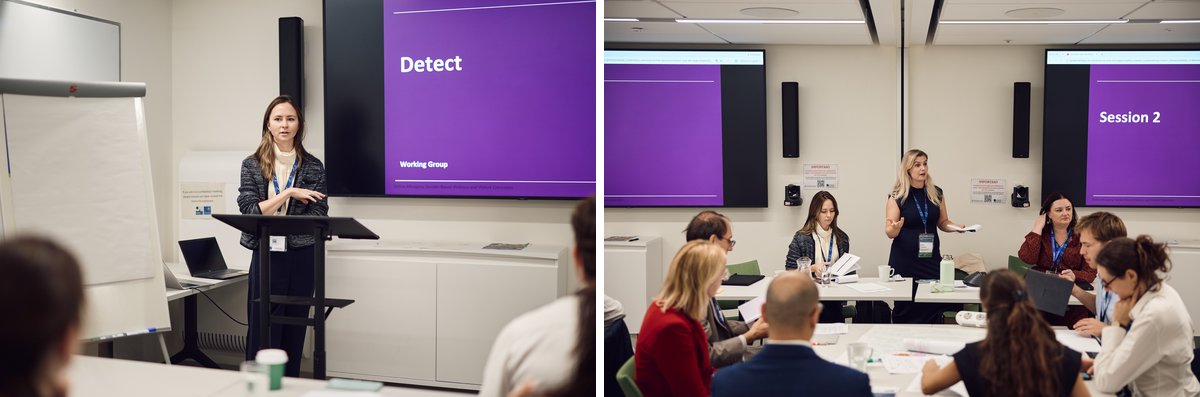
ISD’s Anne Craanen and expert consultant, Fabienne Tarrant, together with the UNOCT and the Home Office led the Detect working group, which focused on strengthening the foundations for recognising, defining and investigating interconnected online harms.
The working group brought together diverse expertise to develop emerging policy principles concerning how these harms should be conceptualised, identified and researched.
This ongoing work aims to support more consistent and evidence-informed approaches to detection and analysis, helping stakeholders move beyond fragmented understandings of misogyny, targeted hate and violent extremism.
The working group’s outputs remain under development and will contribute to wider efforts to translate the Christchurch Call community’s commitments into practical action.
Continuing the conversation
The findings and lessons from Project Catalyst provide an important foundation for further research, policy development and practical interventions addressing the intersection of misogyny, targeted hate and violent extremism.
ISD’s work with Project Catalyst sits as part of a broader gender-based harms portfolio, which examines how gender-based harms manifest, spread and are amplified across digital environments, and their wider impacts on individuals, communities and society. This includes in-depth research into misogynistic and manosphere networks across 16 countries, analysis of technological ecosystems that facilitate gender-based harms, such as nudification technologies, and research into online harms affecting men and boys. Across this work, ISD recognises that misogyny not only harms individuals but also has wider consequences for communities, societal cohesion and democratic norms.
ISD is committed to working with policymakers, tech companies, researchers, civil society and frontline practitioners to address these interconnected harms, strengthen prevention and create safer online environments. Building on Project Catalyst, we hope to continue this important work with our partners through a second phase of the project, further translating research findings into policy and practical interventions.
Upcoming events
3 December 2026: We will launch the Canada and Jordan research reports at the next Catalyst Forum call on 3 December at 13:00 UK time and 21:00 UK time. You can register by filling out the form on the Catalyst webpage or emailing [email protected].
Further information
Explore Project Catalyst at the Christchurch Call Foundation.